By Coach XT (Tan Xu Teng), Founder & Head Coach, TAG International Tennis Academy | ITF Men’s 35+ World #56 | Singapore Open Champion
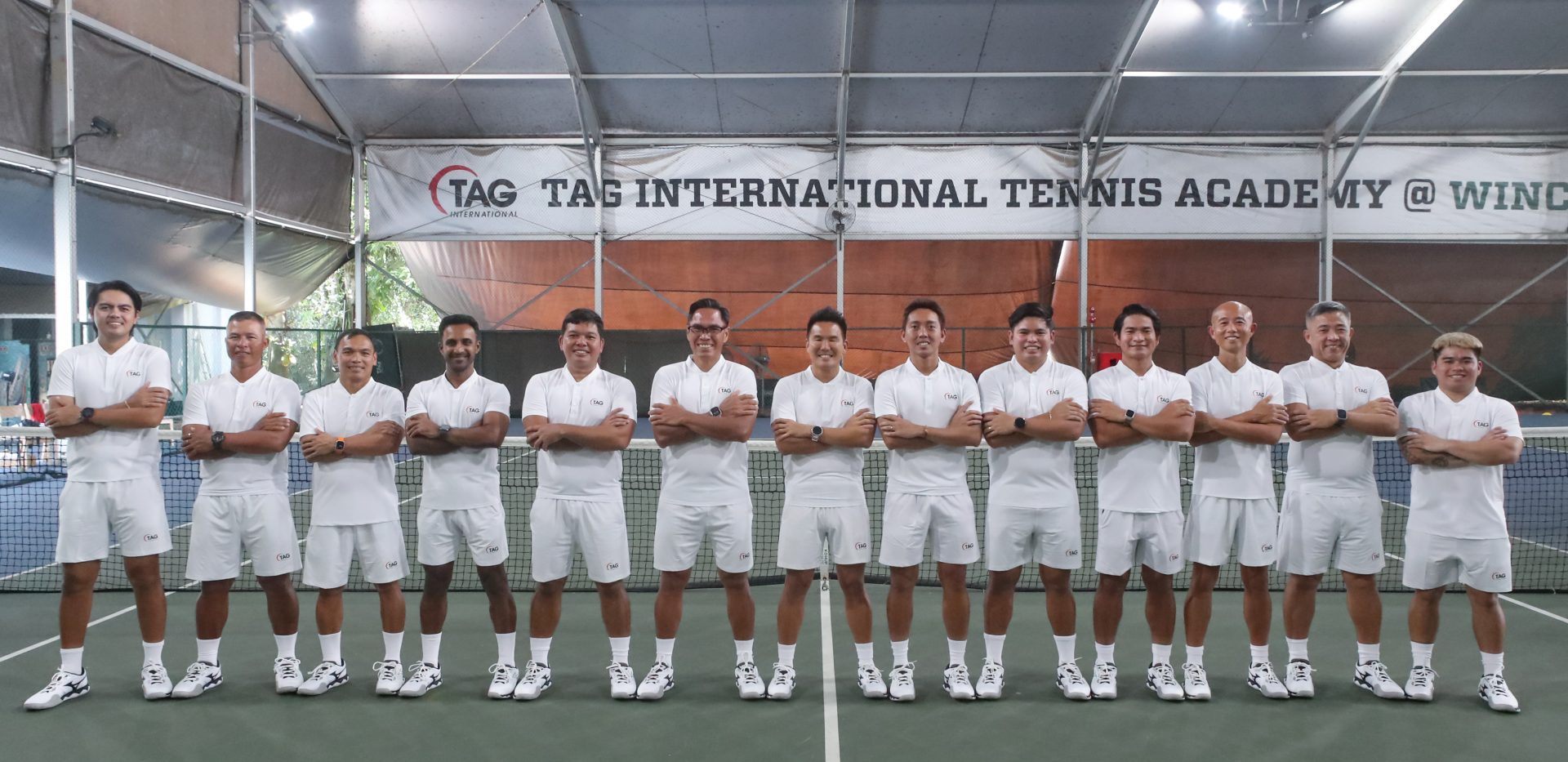
By the TAG International Tennis Academy Coaching Team | Singapore’s leading tennis academy since 2001
Knowing how to choose a tennis coach in Singapore is one of the most important decisions you will make as a player. It is also one of the most underestimated. Most people spend more time choosing a racket than choosing their coach. Yet your coach will shape every technical habit and tactical instinct you develop on the court. This guide walks you through what to look for and what questions to ask. It also covers the most common mistakes players make when selecting a coach.
Why Your Coach Choice Matters More Than You Think
In fact, a good coach accelerates your development. A poor coach can plateau you for years. More commonly, this happens when the coach is technically qualified but a poor fit for your learning style and specific goals. Bad habits formed in early lessons are notoriously difficult to undo.
Techniques taught without proper biomechanical understanding can lead to chronic injury. A coach who fails to communicate well creates a frustrating experience. Regardless of their playing credentials, poor communication often ends with students giving up the sport entirely.
The stakes are real. Here is how to choose right.
Step 1: Define Your Goals — How to Choose a Tennis Coach in Singapore Starts Here
Before you evaluate a single coach, get clear on your own goals. Are you a complete beginner who wants to learn the basics for recreational weekend tennis? Alternatively, are you an intermediate player who has self-taught and now wants to fix ingrained technical flaws?
Are you a parent looking for junior coaching for your child? Are you a competitive adult who wants to prepare for tournaments? Each of these profiles needs a different type of coach — and the coach who excels with juniors may not be the right choice for a competitive adult, and vice versa.
Therefore, write down your goal before you start looking. It makes every subsequent decision clearer.
Step 2: Check Qualifications — But Understand What They Mean
In Singapore, tennis coaches operate without a mandatory licensing requirement. This means anyone can call themselves a tennis coach regardless of training or experience. Formal qualifications — ITF Level 1 or 2, Tennis Australia accreditation, PTR (Professional Tennis Registry) certification, or equivalent — indicate that a coach has undergone structured training in biomechanics, teaching methodology, player development, and safety. These are not guarantees of coaching excellence, but they are a meaningful baseline filter.
Consequently, ask any prospective coach to name their qualifications and where they obtained them. A qualified coach will answer immediately and specifically. Vague answers or deflection are red flags.
Step 3: Assess Communication Style in a Trial Session
However, technical knowledge without communication ability is worth very little. The best coaches can explain the same concept five different ways until one resonates with the specific student in front of them. They observe, adapt, and teach to the individual — not to a generic template.
The only reliable way to assess a coach’s communication style is a trial lesson. Watch for these signals during your trial:
Does the coach explain the why, not just the what?
A coach who says “bend your knees more” without explaining why it matters or how it connects to the shot quality you are aiming for is giving instruction without education. A great coach makes you understand the mechanics behind the correction, which makes you far more likely to internalise and reproduce it correctly.
Does the coach observe before correcting?
Additionally, coaches who correct every single ball hit are often more interested in demonstrating their own knowledge than in actually helping you develop. The best coaches watch you hit multiple balls before identifying the priority issue — the one correction that will give you the highest return. Not every imperfection needs to be addressed in every session.
Does the coach ask about your goals?
If a coach launches straight into generic drills without first asking you what you are trying to achieve and what you currently find most challenging, that is a sign they are running a programme for their average student, not for you.
Step 4: Consider Location and Consistency
Furthermore, consistency is the most important variable in tennis development — more important than any particular coaching technique or drill methodology. You can have the best coach in Singapore, but if the commute to their court kills your motivation to attend regularly, your development will stall. Be honest with yourself about how far you are willing to travel for a regular lesson.
In Singapore, the range of coaching locations available through structured academies like TAG International Tennis Academy means you can usually find a qualified, experienced coach within a reasonable distance of your home or workplace — whether you are based near Orchard, in the east, or anywhere else on the island.
Step 5: Private vs Group — Choose the Right Format
Many players assume private lessons are always better. They are not — they are different. Private lessons offer maximum personalisation and the fastest technical development. Group lessons offer competitive dynamics, social motivation, and better value per hour. The right format depends on your goals, your budget, and your learning style. Many experienced players use both simultaneously — private coaching for technical refinement and group sessions for competitive application.
Step 6: Look for Long-Term Thinking
A coach who sells you more sessions without giving you a clear sense of what those sessions are building toward is not thinking about your development — they are thinking about their income. A quality coach should be able to articulate what the next three months of training look like, what milestones you should expect to reach, and how your programme will evolve as you progress. Ask this question directly in your trial lesson. The quality of the answer will tell you everything.
Red Flags to Watch For
Nevertheless, there are several warning signs that a coach may not be the right fit, regardless of their credentials or reputation.
Be cautious of coaches who cannot clearly articulate their coaching philosophy; who speak disparagingly about other coaches or academies; who focus only on what you are doing wrong without acknowledging what you are doing well; who resist questions or push back on your desire to understand the reasoning behind their instruction; or who make promises of rapid, dramatic improvement without any realistic discussion of what that requires from you as a student.
Where to Find Quality Coaches: How to Choose a Tennis Coach in Singapore
Singapore’s tennis coaching market ranges from exceptional to mediocre — and because there is no regulatory body standardising coach quality, the onus is on the student to do due diligence. Established academies with named coaching rosters, verifiable credentials, and a track record of student progress are your safest starting point. TAG International Tennis Academy maintains a roster of certified coaches operating across the island, with transparent profiles and the ability to trial any coach before committing to a package. Founded in 2001 by competitive player Tan Xu Teng, TAG has produced SEA Games and Davis Cup representatives and is trusted by Singapore’s top clubs including The Tanglin Club and Chinese Swimming Club.
The platform CoachXT.sg is also a useful resource for finding vetted coaching professionals in Singapore, with student reviews and detailed coach profiles that give you more information to work with before booking a first session.
Final Checklist Before You Book
Finally, before committing to a coaching package, confirm the following: the coach holds recognised certifications; you have completed at least one trial lesson; the coach’s communication style suits how you learn; the location and schedule are genuinely sustainable for regular attendance; the coach has given you a clear sense of how your programme will be structured; and you feel comfortable asking questions and pushing back if something is not working.
If all six are true, you have found your coach. If any are missing, keep looking — the right fit exists, and it is worth taking the time to find it.
Related Guides to Help You Get Started
Once you have identified the right coach, these resources will help you get the most from your coaching investment:
- Best Tennis Coaches in Singapore (Complete Guide) — profiles of Singapore’s top coaches to help you identify the right match.
- Private vs Group Tennis Lessons: Which Is Better? — understand the trade-offs between formats before committing.
- Cost of Tennis Lessons in Singapore (2026) — a complete pricing guide for private, group, and indoor court coaching.
- About TAG International’s Management Team — meet the founders, coaches, and management behind Singapore’s leading tennis academy.
- Private Tennis Lessons in Singapore — TAG’s one-on-one coaching program in detail.
Improve Your Tennis Game – Tips from TAG International Coaches
Our coaches have shared many in-depth guides to help you improve your game. Here are some of our best tennis tips:
- No Way Back: How to Hit the Backhand Overhead Smash by Coach Bo
- The Junk Baller & Spin Doctor: Eccentricities of a Hacker by Coach Ten
- TAG International’s Professional Hitting Partner & Tennis Matchplay Programme
- More Tennis Tips on the TAG International Blog
- Our Programmes at TAG International
More TAG International Training Resources
- Competitive Tennis Training in Singapore by TAG International
- Our Partners – TAG International Tennis Academy
Find Tennis Lessons Near You in Singapore
TAG International coaches travel to your court across all areas of Singapore. Find tennis lessons in your neighbourhood:
- Tennis Lessons Orchard & Central Singapore
- Tennis Lessons Bedok & East Singapore
- Tennis Lessons Bukit Timah & West Singapore
- Tennis Lessons Novena & North Central Singapore
- Tennis Lessons Sentosa & Southern Singapore
Ready to start? View all tennis lesson options or find your perfect tennis coach in Singapore.
Find Your Ideal Tennis Coach at TAG International
TAG International Tennis Academy’s roster of PTR and USPTA-certified coaches has over two decades of experience developing players at all levels in Singapore. Use the criteria in this guide to evaluate any coach — or let us match you with the right one for your game.
Get matched with a coach today. View our coaching team and pricing or WhatsApp us at +65 8962 8400 for a free consultation.
Frequently Asked Questions: How to Choose a Tennis Coach in Singapore
How do I know if a tennis coach is the right fit for me?
The best way to find out is through a trial lesson. Pay attention to how the coach communicates — do they explain why a technique matters, or just demonstrate what to do? A good coach asks about your goals, observes before correcting, and adjusts their style to how you learn. If you leave a trial session with one clear, actionable improvement, that is a positive sign.
What qualifications should I look for in a Singapore tennis coach?
Look for coaches accredited by Tennis Singapore, the ITF (Level 1 or above), or the LTA. These certifications indicate that a coach has completed structured coaching education and meets professional standards. Beyond qualifications, ask about their competitive playing background and how long they have been coaching — experience teaching players at your level matters as much as formal credentials.
Is private coaching better than group tennis lessons in Singapore?
It depends on your goals and stage of development. Private coaching provides individualised feedback and progresses faster for players working on specific technical issues or preparing for competition. Group lessons offer a social environment, are more affordable, and suit beginners building basic skills or recreational players who enjoy the social aspect of tennis. Many players combine both formats at different stages.
How many lessons will I need before I see real improvement?
Most players notice meaningful improvement within 8 to 12 structured sessions, assuming consistent attendance and practice between lessons. The rate of progress depends on your starting level, how frequently you train, and whether you practise what you learn. A good coach will set clear benchmarks from the start so you can track your development over time.
